FREE shipping within the contiguous US! FREE shipping within the contiguous US!
Home / The Grubs Times

The Grubs Times

4 Chicken Health Problems And How To Fix Them
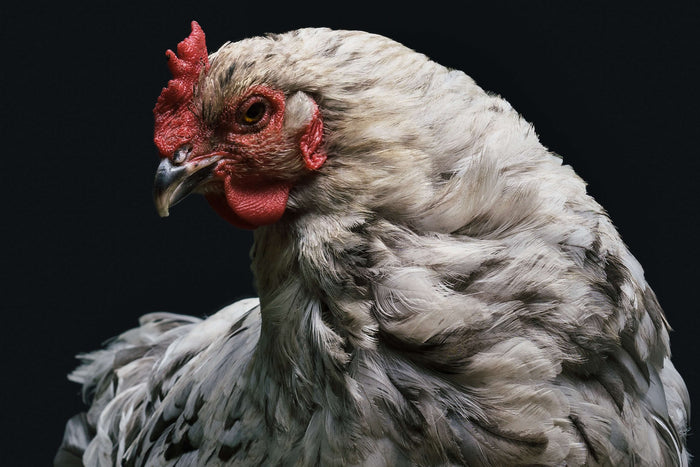
4 Chicken Health Problems And How To Fix Them

Chickens are low maintenance, easy-to-keep birds that make your backyard space fun and provide multiple benefits, including a fresh supply of eggs. 

But when your feathery friends fall sick, it can get distressing. Seeing the once healthy and happy birds acting lazy and low-spirited isn’t the best sight to behold. However, that’s not much of an issue - you can treat most problems at home all by yourself.

So, let’s talk about the top 4 chicken health problems and how to fix them.

Problem #1: Foot Injuries

Chickens run around and cluck till they exhaust themselves and call it a day - it’s their way of having fun. 

But by running here and there, they may develop cuts or other minor injuries on their feet. Though these alone aren’t a problem, they may worsen into infections and hurt them. If pus fills the infection, a condition called Bumblefoot may develop.

How Can I Tell If My Chicken Has A Foot Injury?

Injured chickens spend more time sitting around. When they try to walk, they are unable to put weight on the injured foot. Plus, they act lazy and generally out of sorts.

How Can I Treat A Foot Injury?

You should always keep an eye out for cuts on the feet. If you spot one, wash it with an antiseptic wound wash and slightly bandage it. This will prevent the cut from developing into a more serious infection.

If an infection has already formed, you can cover it with an antibiotic before bandaging. In case the problem doesn’t go away, your chicken may need medical attention to get any pus removed.

Problem #2: Egg-laying issues

One of the most common health problems in chickens is related to egg-laying. And if you’re someone who whips up an omelette for breakfast everyday, you know how upsetting it can be when you’re not getting your supply. 

Chickens usually face egg-laying issues because of stress, certain deficiencies in their diet, and infections. To treat the problem, it’s important to diagnose it by looking out for the right symptoms.

Here’s What To Observe

Take it as a red-flag if your chickens are experiencing the following symptoms:

  • Trembling wings
  • Lazier than usual and reluctant to move around
  • Reduced appetite
  • Experiencing weakness
  • Unusual droppings

How To Bring Back Those Eggs

To improve the situation, you can incorporate sufficient amounts of calcium and protein into your chickens’ diet. An efficient source of these two essentials is Black Soldier Fly Larvae; they provide a variety of nutrients along with calcium and protein to improve your poultry’s health.

In addition, you can supplement their diet with oyster shells and multivitamins.

Problem #3: Picking One Another

Your chickens may start picking on each other’s skin and feathers. If they get a taste of blood, the problem can worsen since chickens are drawn towards the color red. 

The best way to avoid this problem is by not letting it happen in the first place. Here’s how you can do so:

  • Use a large coop. Overcrowding is one of the most prominent triggers of this cannibalistic behavior in chickens - when they fight for space, they often end up picking on each other.
  • Give them enough food and water. Again, this can instigate them to fight amongst one another.
  • Do not mix aggressive breeds with your flock.
  • Keep injured birds away from the coop.
  • Try to reduce stress levels in your chickens.
  • Use an appropriate source of lighting; often too much light can instigate chickens to pick on others.

Problem #4: Diseases

Your backyard chickens can contract various diseases. These can be due to certain bacteria, fungi, viruses or parasites. Although some diseases are treatable at home, more severe ones may require a visit to an avian pet.

Chicken Mites

Mites are small insects that suck your chickens’ blood. The most common symptoms of these are red spots on your chickens’ skin. 

To treat them, you can use insecticides, such as permethrin or mite sprays. Plus, you can sanitize your chicken coop to protect the other birds and prevent mites from reoccurring in the future.

Avian Flu

Just like you can catch a cold, so can your feathery friends. Symptoms include coughing, sneezing and nasal discharge. Luckily, the solution is easy - get your chickens vaccinated, and they’ll be good to go.

Ringworm

Ringworm is a fungal disease that your chickens can contract. Its visible symptom is the formation of a white, thick layer on their combs. But ringworm is nothing to worry about; it usually heals on its own.

However, you can prevent most diseases in the first place by avoiding overcrowding, adopting sanitary practices and feeding them nutritious, healthy diets.

Conclusion

Your chickens keep your backyard lively and cheerful with their clucks and footprints. Understandably, seeing them ill and lethargic can be sad! 

In this article we listed down the most common problems with chickens and provided easy solutions you can implement to solve them.


Nutritional benefits of Black Soldier Fly Larvae

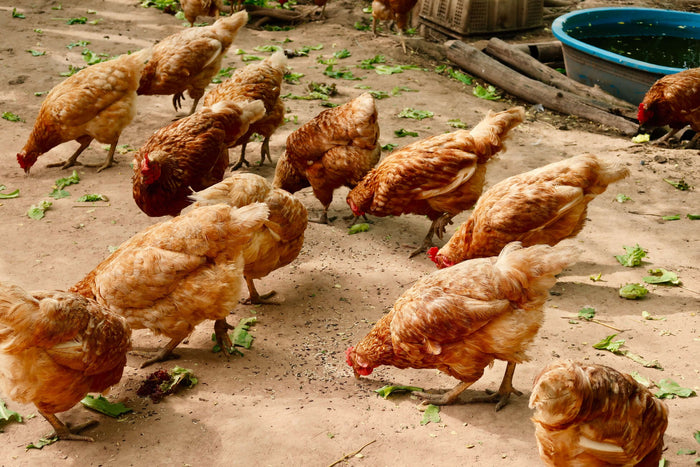
Chickens in the coop actively clucking their grub treats

One of the essentials to a happy and healthy flock is looking after its nutritional requirements. Providing your birds with the right food not only adds to their health but also maximizes the benefits they provide to you.

Generally, chickens and other domestic fowl forage for insects. But if your chickens spend most of the time in their coop, or your garden doesn’t host many insects, you may want to introduce insects to your poultry feed.

An efficient way of doing so is by incorporating dried black soldier fly larvae (BSFL) into your birds’ feed or as an occasional treat. In this article, we’ll provide an overview of the nutritional composition of BSF and why they are a great complement to your birds' diet.

What Does Black Soldier Fly Larvae contain?

Before we dive into the macro and micronutrients found in Black Soldier Fly Larvae, let us first have a look at what your backyard flock needs.

It’s All In The Nutrition

Just like us humans need a variety of nutrients, your feathery friends need them in optimum amounts as well. Two of the key nutrients which chickens need and BSFL supplies in ample quantities are protein and calcium.

Protein is composed of a chain of amino acids. These amino acids are crucial to the growth and long-term health of your chickens and ducks. Approximately 22 amino acids are required by your birds daily, with some of these being formed within their bodies, and others being obtained from their diet.

On the other hand, your birds need calcium to lay healthy, strong eggs. With a calcium-deficient diet, the eggs are likely to be soft and of low quality. Plus, the birds are more prone to diseases like rickets and osteoporosis (yes, your feathery friends can get these too!).

How Do BSF Larvae Help? - Nutrition Facts

Black Soldier Fly Larvae contain an ample amount of protein and calcium. 

According to a study, BSF larvae can contain up to 50% protein (in the form of Crude Protein) and amino acids similar to those present in a fishmeal. Flock owners would know that’s quite a sizeable amount!

On top of that, they contain an ample amount of calcium. This is because of the calcium carbonate embedded within their skeletons.

But those are not the only nutrients within a BSFL. Here are some of the other important nutrients present and also why they are important for your feathery fellows.

  • Fat:

Fat is needed by your birds to help dissolve fat-soluble vitamins. Examples include vitamin A and E. Also, fat makes chicken feed more appetizing.

  • Phosphorous:

Phosphorus helps chickens and ducks form a strong skeleton. Growing birds thus need it for their skeletal growth. Laying hens utilize it for egg production as well. It is important to note that BSF contains an optimal ratio of Calcium to Phosphorus. More isn't always better, but the balance of the two elements.

  • Magnesium:

Magnesium is required for optimal growth and normal bodily functions. If your birds are magnesium-deficient, they may show symptoms including slow growth. In the worst-case scenario, a magnesium deficiency can kill them. Yikes!

  • Sodium:

An optimum amount of sodium will speed up the growth and appetite of your flock. Although many people incorporate this through salt, it is good for you to remember that BSF larvae also give your birds some sodium.

  • Iron:

Your birds use iron to build haemoglobin. This helps red blood cells to carry enough oxygen to all body parts. Everyone knows how important oxygen is to animal health.

  • Zinc:

Zinc helps chickens and ducks form feathers and bones. Plus, it is important for enzymes and appetite control.

  • Copper:

Your birds utilize copper to stop (or slow down) the growth of micro-organisms. This reduces the likelihood of contracting any diseases.

BSF larvae really are magical - one addition to the feed and so many benefits!

FAQs

Should I use BSF larvae only if my chickens don’t get to eat enough insects?

BSF is a natural treat for domestic fowl, which is not used only as a substitute for insects. BSF larvae can be used simply to incorporate more calcium and protein into your backyard flock’s diet.

Do I have to make my own dried BSFL?

Although you can make your own dried BSFL using small-scale drying techniques, you can also purchase ready-made ones.

Conclusion

Dried Black Soldier Fly Larvae is a natural and incredibly nutritious treat (something like what we refer to as a superfood). In addition, the proteins from the BSF have a full spectrum of amino acids since they are animal-derived, unlike soy or other feeds and treats. The nutritional information listed above will help you understand why BSF larvae are really worth the investment!

What Do You Need to Start Raising Backyard Chicken?

Chicken and a rooster free-ranging

When thinking about joining the chicken-keeping contingency, make sure to understand all of the important things you will need to start raising backyard chicken.

To a first-time chicken-keeper, the task of keeping your chickens healthy and safe might sound very challenging. However, in reality, raising backyard chicken is quite simple once you’ve learned the essential tips and tricks. 

Chickens, out of all the birds, are the easiest to keep so after getting the basics right, you'll soon be able to reap the benefits, whether you keep chickens for their eggs or company. So let's dive into it and find out the essentials before you start raising backyard chicken.

Ordinances in Your Area 

Before starting, do detailed research about the laws of chicken-keeping in your area. In some cases this could be a country-wide regulation, in others it may be a local state or town.

Some areas have restricted livestock to agriculturally-designated zones. Others have banned roosters due to their noise. Likewise, there are cities where chickens have to stay in their coop at all times. This means they cannot live free-range. 

While your neighbors are not lawmakers (unless they actually are), you also probably don't want to introduce a rooster call at 5am to their life. That is unless your neighbor is not that near you or keeps backyard chickens as well.

After all, it’s always better to be safe than sorry. 

What Type of Chickens Do You Want?

There is a wide breed of chickens. Ranging from cuddly and loving to anxious and flighty, each chicken breed has its own qualities.

If you want to raise chickens for meat, you would get a broiler breed. One of the common options would be a Cornish Cross. If you're going going after the eggs then a Leghorn would be a better choice. If you live in a cold area, you would be better off choosing a breed which better copes during winter such as Australorp. You get where this is going - there are many chicken breeds and some may be better suited to your climate, overall goals from chicken keeping as well as other factors.

Visit a local hatchery or join local groups on Facebook and Telegram and you'll soon get some good advice on what breed can be found in your area. 

Adequate Space

Building a safe and happy chicken coop with ample space and privacy should be your priority when deciding to raise chickens. Here’s a list of things you should consider to include in your cage where your hens will live, play and lay eggs:

  1. Comfortable Bedding: Sun-colored straw with its sweet earthy smell and springy texture will be a great bedding choice. Try to avoid sawdust as it is too dusty. 
  2. Nesting Box: To lay eggs, hens require a dark area where they can have privacy. Planning for a nesting box would be a great idea.
  3. Hanging Feeder and Waterer: Keeping it off-ground will preserve freshness. Additionally, place it inside your henhouse to keep unwanted animals away from the food. 
  4. Coop Safety: Know the potential predators in the area and ensure your coop offers sufficient protection from unwanted guests.

That’s all you’ll need in your chicken house to start raising backyard chicken! 

Health and Hygiene of Your Chickens

Once you've brought your pet chickens home, make sure to perform your daily, monthly, and semi-yearly care to keep your chickens fit and healthy. 

On a daily basis, clean and refill the water to prevent dehydration of your chickens. In addition, collect their eggs to maximize freshness. Take some time to observe them on a daily basis to make sure that they are in good health.

Every month, manage your chickens' bedding, freshen their nest boxes, and sanitize the waterers. 

Finally, every six months, you should deep clean your chicken coop and prepare for the winter. 

What else do I need to know about raising backyard chickens?

Raising chickens may be an exciting experience, but you need to know some essential tips beforehand:

  • Make sure you know or can reach out to a chicken expert for professional advice.
  • Chickens may lay their eggs at unpredictable times. 
  • Raising chickens can get messy so be ready to roll up your sleeves and be aware that however clean your coop and birds are, it won't smell like your rose garden.
  • Buy a coop instead of building one. This will save a lot of time and frustration if you are not adept at carpentry. 

How many chickens should a beginner start with?

Chickens prefer to live in flocks. Therefore, you should keep at least two chickens. 

Additionally, if you have a big family, it would be an excellent option to have a flock of five or six hens. This would provide you with two dozen eggs per week. 

What can I feed my backyard chickens?

Here are some budget-friendly feed suggestions that your chickens will enjoy:

Conclusion

Raising chicken in your very own backyard may sound like an adventurous and thrilling experience. 

Things may not go as smoothly at first but get familiar with the basics, learn as you go, and you'll soon be the one advising others about backyard chicken keeping.