
FREE shipping within the contiguous US! FREE shipping within the contiguous US!
Home / The Grubs Times

The Grubs Times

Keeping Mites, Lice, and Other Pests at Bay

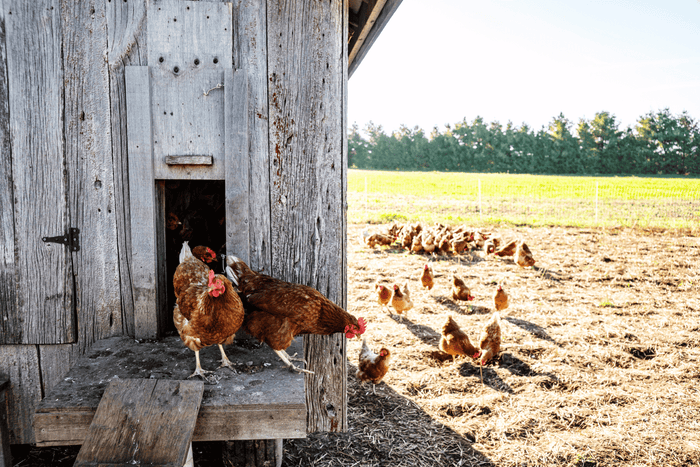
Chickens enjoying a pest free backyard

Raising backyard chickens can be incredibly rewarding, providing fresh eggs and endless entertainment. But with the joy of keeping chickens comes the responsibility of ensuring their health and well-being. One of the most common challenges chicken owners face is dealing with pests like mites, lice, and other unwelcome guests. These tiny nuisances can cause significant discomfort and health issues for your flock if not managed properly. Let’s explore how to prevent and treat these pests to keep your chickens healthy and happy.

Understanding Common Chicken Pests

Before diving into prevention and treatment strategies, it’s important to understand the common pests that can affect chickens. The main culprits are mites and lice, but other pests like flies and rodents can also be problematic.

Mites

Mites are tiny arachnids that can cause big problems. They come in several varieties, but the most common ones affecting chickens are the red mite and the northern fowl mite.

  • Red Mites: These mites live in the coop during the day and come out at night to feed on your chickens' blood. They can cause severe anemia and stress in chickens, and if left untreated, they can lead to death.
  • Northern Fowl Mites: Unlike red mites, these mites live on the chicken continuously, feeding on their blood and causing discomfort and feather loss. They can reproduce rapidly, making infestations tough to control.

Lice

Chicken lice are different from mites in that they don’t suck blood but feed on the skin and feather debris. The most common type is the chicken body louse. Lice cause itching and feather damage, leading to restless chickens and decreased egg production.

Other Pests

In addition to mites and lice, chickens can be troubled by flies, which can spread disease, and rodents, which can contaminate feed and damage the coop.

Preventing Pests

The best way to deal with pests is to prevent them from becoming a problem in the first place. Here are some strategies to keep your coop and chickens pest-free.

Keep the Coop Clean

A clean coop is less inviting to pests. Regularly clean out bedding and remove droppings. At least once a month, do a deep clean, removing all bedding and scrubbing down surfaces with a safe disinfectant.

  • Daily Tasks: Remove droppings and any soiled bedding.
  • Weekly Tasks: Replace old bedding and check for signs of pests.
  • Monthly Tasks: Do a thorough clean of the entire coop, including walls and nesting boxes.

Dust Baths

Chickens love to take dust baths, and this behavior is one of their natural defenses against pests. Provide a designated dust bath area filled with dry soil, sand, and a bit of wood ash or diatomaceous earth. This helps chickens keep their feathers and skin free from pests.

Inspect Regularly

Regularly check your chickens for signs of pests. Look under their wings, around the vent, and through their feathers. Early detection can make treatment much easier. Also, inspect the coop for signs of red mites, which might hide in crevices and cracks during the day.

Treating an Infestation

Even with the best prevention, sometimes pests can find their way into your coop. Here’s how to tackle them effectively if you find mites, lice, or other pests on your chickens or in their living area.

Treating Mites

  1. Identify the Infestation: First, confirm the presence of mites. Look for them in the coop at night with a flashlight or examine your chickens closely for signs of mites during the day.

  2. Clean and Treat the Coop: Remove all bedding and thoroughly clean the coop. Use a poultry-safe insecticide to spray all surfaces, paying special attention to cracks and crevices where mites hide. Follow up with diatomaceous earth, which can help deter mites from returning.

  3. Treat the Chickens: Dust your chickens with a poultry-safe mite powder or use a spray specifically designed for poultry. Repeat the treatment according to the product’s instructions to ensure you kill all the mites, including those that might hatch from eggs.

Treating Lice

  1. Check for Lice: Look for lice and nits (lice eggs) on your chickens, especially around the vent and under the wings.

  2. Dust the Chickens: Use a lice powder or spray designed for poultry, ensuring you get the product down to the skin where the lice live. Repeat as needed to break the life cycle of the lice.

  3. Clean the Coop: Like with mites, clean the coop thoroughly to remove any lice or eggs that may be lurking in the bedding or on surfaces.

Other Pests

  • Flies: Use fly traps and keep the coop clean and dry. You can also use fly predators, tiny parasitic wasps that lay their eggs in fly larvae, effectively controlling the fly population.
  • Rodents: Keep feed stored in rodent-proof containers and seal any holes or gaps in the coop. Use traps if necessary, but ensure they are safe to use around chickens.

Supporting Your Chickens During Treatment

Treating pests can be stressful for your chickens, so providing extra care and support is important during this time.

Boost Nutrition

Pests like mites and lice can weaken your chickens, so boosting their nutrition can help them recover faster. Provide a high-quality feed and consider adding supplements like vitamins and electrolytes to their water to support their immune system.

Minimize Stress

Handling and treating your chickens can be stressful for them. Try to minimize handling to only what's necessary and keep the environment calm. Providing familiar and comfortable surroundings will help reduce stress.

Monitor Health

Keep a close eye on your flock during and after treatment. Look for signs of improvement and ensure the pests are being effectively managed. If you notice any persistent health issues, consult a vet for further advice.

Long-Term Pest Management

Keeping pests at bay requires ongoing effort. Here are some long-term strategies to maintain a healthy, pest-free environment for your chickens.

Regular Maintenance

Continue regular cleaning and inspections to catch any potential pest issues early. Keeping the coop and surrounding area clean and dry will make it less inviting to pests.

Rotate Bedding

Consider using a deep litter method where you regularly add fresh bedding on top of old bedding. This can create beneficial composting conditions that deter pests. However, you’ll still need to do periodic deep cleans to keep everything fresh and healthy.

Use Natural Repellents

Incorporate natural pest repellents into your coop maintenance. Herbs like mint, rosemary, and lavender can help deter pests when scattered in the coop or added to nesting boxes. Diatomaceous earth sprinkled around the coop and in dust baths can also be an effective deterrent for many pests.

Conclusion

Dealing with pests is an inevitable part of raising backyard chickens, but with proactive management, you can keep mites, lice, and other nuisances under control. By maintaining a clean and well-managed coop, supporting your chickens’ health, and being vigilant about inspections and treatments, you can ensure your flock stays healthy and productive. Remember, a happy, pest-free chicken is a productive chicken, and taking these steps will keep your backyard flock thriving.
How to Keep Your Chickens Cool in the Summer

Chicken coop in the garden during a scorching summer heat

Summer’s here, and while we might love the warm weather, our backyard chickens aren’t always big fans. Chickens can get pretty hot and bothered when the temperatures rise, so it’s important to help them stay cool. Here’s how you can make sure your feathered friends are comfortable and happy during those scorching summer days.

Why Chickens Struggle with Heat

Chickens don’t sweat like we do. Instead, they pant and spread their wings to cool down, which can only do so much. If they get too hot, they might stop laying eggs or even get sick from heat stress. So, it’s crucial to keep an eye on them and make sure they stay cool.

Create Shade: The Cool Retreats

Shade is your best friend when it comes to keeping chickens cool. Without it, your chickens will be baking under the hot sun. Here’s how you can create some cool spots for them:

(1) Natural Shade:

- Trees and Bushes: If you’ve got trees or large bushes, these can provide perfect spots for your chickens to escape the sun. Planting a few around the coop can make a big difference.
- Climbing Plants: Grow vines or other plants that can cover parts of your coop or run. They not only look nice but also help block the sun.

(2) Artificial Shade:

- Shade Cloth: Hang shade cloth over your coop or run. It’s easy to put up and can lower the temperature by several degrees.
- Tarps and Umbrellas: Tarps or patio umbrellas can be set up anywhere to provide instant shade. They’re easy to move around depending on where the sun is hottest.

(3) Built-In Shade:

- Extended Roofs: If you’re designing or modifying your coop, add a roof overhang. It keeps the sun off and helps cool things down inside.
- Pergolas: Build a pergola with climbing plants like ivy. It’s a beautiful and functional way to keep things cool.

Keep Them Hydrated: Water, Water, Water!

Just like us, chickens need lots of water to stay cool. Making sure they have plenty of fresh, cool water is essential. Here's what you have to ensure:

(1) Easy Access to Water:

- Multiple Waterers: Place several water stations around the coop and run, especially in shaded spots. This way, all chickens have a chance to drink.
- Clean and Fresh: Keep their water clean and change it often. Fresh water is much more appealing, especially when it’s hot.

(2) Cool Their Water:

- Add Ice: Pop some ice cubes or frozen water bottles into their waterers to keep it cool. You can also freeze water in plastic bottles and drop them into the water bowls.
- Automatic Waterers: Consider automatic waterers that provide a steady supply of fresh water.

(3) Boost with Electrolytes:

- Electrolyte Drinks: Mix electrolytes into their water to help them stay hydrated. It’s like giving them a sports drink on a hot day.
- Juicy Treats: Offer water-rich treats like watermelon or cucumber. They’re refreshing and help keep your chickens hydrated.

Cool the Coop: Better Airflow and Temperature Control

In addition to shade and water, you can make your coop cooler and more comfortable with these tips:

(1) Ventilation:

- Airflow: Make sure your coop is well-ventilated. Open windows and vents to let hot air out and cool air in. Fans can also help circulate the air.
- Position Fans: Use battery or solar-powered fans to increase airflow. Place them in a way that doesn’t blow directly on the chickens but helps move the air around.

(2) Misters and Sprinklers:

- Misting Systems: Set up a misting system around the coop. These systems spray a fine mist that cools the air as it evaporates. They’re great for lowering the temperature without soaking everything.
- Sprinklers: Use sprinklers to lightly wet the ground around the coop. This can cool down the area as the water evaporates. Just make sure it doesn’t get too muddy.

(3) Cool Surfaces:

- Cooling Pads: Place cooling pads or mats in the coop. Chickens can lie on them to cool down.
- Cool Bedding: Sand and gravel tend to stay cooler than dirt or straw. Chickens can dig into these materials to find a cool spot to rest.

Keep an Eye on Your Flock

Regularly check on your chickens during hot days. Look for signs of heat stress like panting or lethargy, and be ready to take action if needed. Move them to a cooler spot, give them fresh water, and make sure they have plenty of shade.

  • Daily Water Check: Make sure their water is always fresh and cool.
  • Observe Behavior: Watch how your chickens are acting. If they’re panting a lot or not moving much, they might be too hot.

Conclusion

Keeping your chickens cool in the summer doesn’t have to be complicated. With some simple steps like providing shade, keeping them hydrated, and improving airflow, you can make sure your flock stays comfortable even on the hottest days. Happy, healthy chickens are productive chickens, so a little extra effort goes a long way!

Molting Madness: Understanding and Managing Your Chickens' Molt

A couple of molting chickens in the backyard

If you’ve noticed a flurry of feathers in your backyard and your hens looking a little scruffy, don’t panic! This feather loss is likely due to molting, a natural process where chickens shed old feathers to make way for new growth. While molting can seem alarming, especially if it’s your first time experiencing it with your flock, it’s an essential part of a chicken’s life cycle. Let's dive into understanding what molting is, how to support your chickens through it, and what impact it has on egg laying.

What is Molting?

Molting is the process where chickens lose their old feathers and grow new ones. Think of it as a seasonal wardrobe change. This typically happens once a year, usually in the fall, and can last anywhere from a few weeks to several months, depending on the bird.

Why Do Chickens Molt?

Feathers, like our hair, wear out over time. They can become damaged and less effective at providing insulation and protection. Molting allows chickens to replace these old feathers with fresh ones, ensuring they remain healthy and well-insulated against the cold.

Stages of Molting

Molting usually follows a predictable pattern. It starts at the head and neck and progresses down the body, ending with the tail feathers. During this time, your chickens might look a bit ragged, and you’ll notice more feathers scattered around the coop and yard.

The Impact of Molting on Egg Laying

One of the most noticeable impacts of molting is a reduction in egg production. Some hens might stop laying altogether during this period. This is because growing new feathers requires a lot of protein and energy, resources that would otherwise go towards egg production.

Why Egg Production Drops

Feather growth is a significant physiological process, and chickens prioritize it over laying eggs. Feathers are made mostly of protein, and since hens only have so much protein to go around, they divert it from egg production to feather growth. It’s nature’s way of ensuring they are well-prepared for the colder months ahead.

When Will Egg Laying Resume?

Once the molt is complete and your chickens have their new feathers, they will gradually return to their normal egg-laying schedule. However, the timing can vary. Some hens bounce back quickly, while others take their time. Patience is key during this period.

Supporting Your Chickens Through Molting

While molting is a natural process, there are several ways you can help your flock through it, ensuring they stay healthy and comfortable.

Boost Their Diet

Since molting requires a lot of protein, it’s crucial to adjust their diet to support this need. Here are some tips:

  • High-Protein Feed: Switch to a feed that has a higher protein content than your usual layer feed. Feeds formulated for game birds or flock raisers often have more protein and can be helpful during this time.
  • Protein-Rich Treats: Offer treats like mealworms, scrambled eggs, or sunflower seeds. These are high in protein and can help provide the extra nutrients needed for feather growth.
  • Supplements: Consider adding a protein supplement to their feed. Options like fish meal or soybeans can be beneficial.

Maintain a Comfortable Environment

Molting can be stressful for chickens, so keeping their environment calm and safe is essential.

  • Warmth: As chickens lose feathers, they may become more sensitive to cold. Ensure their coop is well-insulated and draft-free. Adding some extra bedding can help keep them warm.
  • Protection: Keep an eye out for bullying. Molting chickens are sometimes pecked at by their flockmates, especially if they have bald spots. Providing extra space and distractions, like hanging treats or adding new perches, can reduce this behavior.

Minimize Stress

Molting is a vulnerable time for chickens, and reducing additional stressors is vital. Avoid making significant changes to their environment, such as introducing new chickens or moving the flock. Keeping a consistent routine will help your birds feel secure.

Recognizing and Managing Molting Problems

While molting is usually straightforward, there are a few potential issues to watch for.

Prolonged Molting

If a chicken seems to be molting for an extended period (longer than 16 weeks), it might be a sign of a problem. Poor nutrition, illness, or stress could be factors. Evaluate their diet and living conditions, and consult a vet if the issue persists.

Feather Pecking and Bullying

During molting, some hens may be pecked at more aggressively. This can be due to their more vulnerable state or the exposed skin and pinfeathers that attract attention. Keep an eye out for signs of bullying and separate overly aggressive birds if necessary. Providing enough space and distractions can help minimize this behavior.

Feather Eating

Occasionally, chickens might start eating their own or others' feathers. This behavior usually indicates a protein deficiency or boredom. Ensure they are getting enough protein in their diet and consider adding foraging activities or toys to keep them occupied.

Post-Molt Recovery and Egg Production

Once your chickens have completed their molt, they will start to look beautiful again with their shiny new feathers. This is also when you can expect egg production to pick up.

Gradual Return to Normal Diet

After the molt, you can gradually switch back to their regular layer feed. Continue to offer protein-rich treats until you’re sure they’ve fully recovered.

Monitor Egg Production

Your hens will begin laying eggs again once their bodies have replenished and they’ve adjusted to their new feathers. The quality and size of eggs might even improve compared to pre-molt, as the hens are rejuvenated. Keep an eye on their laying habits and provide continued support as they get back into their rhythm.

Conclusion

Molting is a natural and essential process for your chickens, even though it can be a bit of a hassle for you as a backyard chicken keeper. By understanding what molting is and how to support your hens through it, you can ensure they come out the other side healthy and ready to lay eggs again. Boost their protein intake, maintain a stress-free environment, and be patient as they go through this critical phase. With proper care, your flock will soon be back to their regular egg-laying selves, and you’ll be rewarded with plenty of fresh eggs once more.