
FREE shipping within the contiguous US! FREE shipping within the contiguous US!
Home / The Grubs Times

The Grubs Times

How To Protect Your Flock
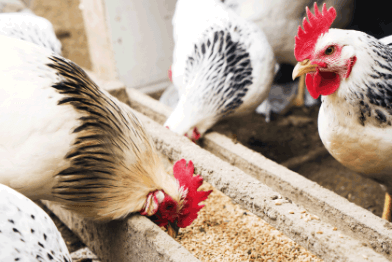
How To Protect Your Flock

When you’ve invested long hours in raising your backyard birds, tips on how to protect your flock are something you’d love to know. 

Besides, it’s only natural to worry about the safety of your birds – they live in your backyard and not only occupy a place in your house but also your heart.

And when we talk about ‘safety’, it doesn’t only mean protection against predators, but also from overheating, infections and diseases, adverse weather conditions, and so on. 

Beware – Predators of Poultry Are on The Hunt

Predators, such as coyotes, dogs, and owls, always keep an eye out for prey – they’d actually love a chicken meal. 

To keep predators away in the daylight, you can hang reflective material around your coop. The sunlight reflected from this material will deter predators. 

However, this won’t work during low daylight hours. So, to protect your flock at night, you should consider replacing chicken wire with hardware cloth of half-an-inch thickness to keep the hungry animals away.

Another useful technique is using motion-detecting lights. These lights start flashing, and the alarm goes off whenever movement is sensed nearby. Most predators are simply scared off by the flashing lights.

You can also clear out any bushes or other hiding spots for the predators, along with keeping guard animals such as dogs and geese.

How To Protect Your Flock From Disease And Infections

Diseases and infections can reduce egg production, make your flock weak and even kill it – No one would wish that on their feathery friends. So, there are several things you can do to keep the diseases away.

In this regard, the health of your birds should come first. The stronger their immune system, the more resistant they'll be to diseases, and the more capable they'll be to fight off pathogens. You can ensure a healthy immune system by:

  • Adding garlic cloves to the waterer.
  • Feeding them bananas and berries.
  • Giving them vitamin and mineral supplements.

Along with strengthening your flock's immune system, it is essential to keep any disease-causing germs away. You can do this using the following steps:

  • Ensure any birds introduced to the coop are healthy and germ-free by quarantining them for at least a month.
  • Employ methods to keep wild birds (that may carry germs) away.
  • Wash your hands and change your shoes before entering the coop.

Protection from Adverse Weather Conditions

Too much heat and too much cold can harm your birds and make them sick. This makes it essential to protect them from extreme weather conditions.

How To Protect Your Flock From The Heat

Although chickens prefer warm temperatures, extreme heat can be harmful to them.

To keep your flock in the summer, you should make sure they have access to shady areas if the sun bothers them too much.

You should also give them fresh, cool water to drink and gently dampen their dust baths so they can twist and turn in the cool dirt.

Suppose you're in the mood to reward your feathery fellows. In that case, you can give them chilled treats, such as refrigerated berries and watermelons.

How To Protect Your Flock From The Cold

In the winter, you have to make sure your flock stays warm. 

You can do this by allowing sunlight to enter their coop, so heat is trapped in their living space.

It's also a great area to let your birds decide where they want to spend their time by leaving the coop door open for some time. Some might prefer staying in the indoor heat, while others will enjoy playing in the cold.

Also, keep the doors of the coop closed during the night while also sealing any holes. This will prevent any cold air from entering the coop.

Keep Them Warm, But Don’t Overheat!

At times, you may find yourself keeping your flock a little too warm. This doesn’t let the birds ‘adapt’ to changing weather conditions and causes problems.

Plus, a ‘very warm’ coop will encourage the chickens to stay in and avoid going out in the fresh air. This will eventually affect their health in harmful ways.

Therefore, make sure you're using a calculated amount of insulation. Too little insulation will mean the temperature drops low. Too much insulation will build up moisture and cause respiratory issues.

Conclusion

Raising chickens and ducks has its benefits, but it also comes with great responsibility. Part of this responsibility revolves around the safety of your feathery fellows.

If your birds are safe, they’ll be healthy and happy. And happy and healthy birds will give you maximum benefits. 

Therefore, you must know how to protect your flock. And when we say ‘protect’, we mean it in many different ways, with the most important ones discussed in this blog.
Why You Should Start Raising Ducks

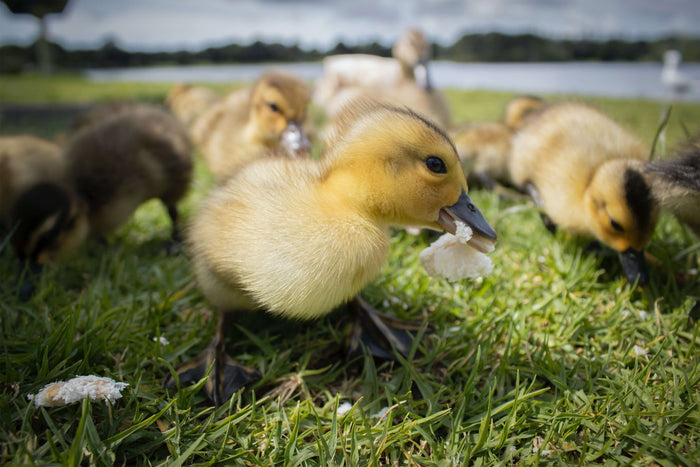
Cute baby ducklings free-ranging and looking for some treats

You’ve seen ducks quacking in a duck farm, or better yet, picking on breadcrumbs on the lakeside. The sight of those feathery fellows, especially their cute little ducklings, is really instigating you to start raising them in your backyard – be it alone or alongside your chicken. 

But … you’re still in two minds about it – should I, or should I not?

Well, that’s the purpose of this blog – to discuss why the decision to keep ducks is really gonna be a good one! So, here are the TOP FIVE reasons as to why you should start raising ducks.

Ducks are easy to care for – generally healthy, low-maintenance birds.

As a responsible poultry farmer (or poultry farmer-to-be), one of the most significant concerns in your mind is perhaps about your capability. More specifically -  whether or not you will be able to care for your ducks efficiently.

Well, got some good news for you; ducks are easy to raise, generally healthy, and low-maintenance birds. The cherry on the top is that you don’t need a very high budget or high-end resources to provide them with the care they need – they really are simple, happy (and cute!) folks.

Basically, all your ducks need the bare minimum: good food, clean water, and a well-ventilated place to sleep (giving them love and attention would be a bonus). They can make their own little spaces to lay eggs without a designated area, such as a nesting box.

Additionally, ducks have stronger immune systems and tend to contract diseases less easily. They don't catch fleas and ticks owing to the time they spend in the water. Plus, they have fast metabolisms and survive in different climates, ranging from hot to cold. 

Ducks suit urban and rural backyards.

Everyone knows ducks are great when raised in rural backyards, but they’re pretty adaptable to your urban backyard as well.

Ducks are decent little creatures and, unlike chickens, will not dig into your lawn and turn it into barren land. They don’t require dust baths – a small pool of water is sufficient for their showers. 

While ducks do eat any greens they see, that really isn’t an issue as it won’t distort the entire image of your lawn. In fact, their presence adds to the natural beauty of it. 

They're peaceful creatures.

Additionally, ducks are an excellent option for urban backyards because they make little to no noise – they'll rarely ever quack and will just peacefully… live. Hence, you’re less likely to receive disturbance complaints from neighbors and people passing by.

Ducks are beneficial for your lawn – another reason why you should raise ducks.

Ducks are a great way to keep your lawn healthy in the following ways:

They keep the pests away.

If you’re also farming plants and veggies in your lawn, you know how hard of a task it is to keep the pests away. In this regard, ducks will be your efficient little helpers.

Given the opportunity, ducks eat everything they get their bill on, including beetles, slugs, and snails. They not only attack the bugs they see but also often hunt down hidden ones. And they don’t let them go easily – as intimidating as it may sound: they chase them until they eat them.

They provide fertilizer for your garden.

Duck manure serves as an organic and natural fertilizer for your garden. It is packed with nutrients such as nitrogen and potassium. This, in turn, contributes significantly to the well-being of your lawn and the plants grown in it.

Hence, you're not only raising ducks for their other benefits but also getting a natural way to control pest growth and fertilize your garden. Kinda like ‘buy one get one (actually two) free’ deal, you know?

Ducks are friendly fellows.

To put simply, ducks are unproblematic birds. They warmly welcome any new additions to your flock, be it their babies or even other birds like chickens. (If that’s not news for you: hens even peck their own chicks before they get used to their existence).


Plus, they won’t ask for too much of your time to entertain them – they pretty much find fun in everything they do. Actually, it’s gonna be vice versa – ducks will entertain you and your family with their naughty little acts.

Ducks are a great source of meat and eggs.

The meat a regular person eats is contaminated with artificial substances such as antibiotics and other chemicals because of duck feed. But, if you raise your ducks yourself and monitor their feed closely, you’ll have peace of mind knowing that the meat you’re consuming is organic and free of chemicals.

The same goes for eggs – a chemical-free feed means chemical-free eggs.

Additionally, ducks lay eggs more often than hens and without supplemental lighting and heat. Duck eggs are also larger in size, yummier in taste, and more beneficial in terms of nutritional requirements as compared to hens’ eggs. 

If you wish to sell the eggs laid, quite a few bucks. This is because duck eggs are generally pricier than other types, with organic ones being even more expensive.

Finally, you can also let the eggs hatch into cute little ducklings that will never fail to melt your heart and make you smile. 😊

Conclusion

We hope that we've given you enough reasons to get you closer in favor of the decision to start raising ducks :)

In short, ducks are amazing little creatures and they do not require much in return. They'll bring you numerous benefits, including pest control services, organic manure, and fresh meat and eggs, amongst many others.

Five Things That Affect Egg Production

Raising domestic fowl, including hens and ducks, is a rewarding activity. In addition to the love your feathery fellows give you, you get a range of other benefits. These include having your own source of fresh eggs and meat.

But the story doesn’t end here. To make the most out of your backyard poultry, you must have some know-how of their necessities. 

This is important to make sure you attain maximum benefits. An example of this is monitoring and enhancing the production of eggs laid by your backyard birds, including managing ducks for egg production.

So, let’s discuss the top FIVE things that affect egg production.

Optimal Nutrition

Just like your diet defines your health, the nutrition you provide to your poultry outlines their general well-being and egg production.

This is especially true for the stage when your hens and ducks hit sexual maturity. When their bodies are forming eggs, they need a balanced and nutritious diet to ensure good health and maximum egg production.

Although there are other specific nutrients required by ducks, some of the more general yet essential nutrients you should incorporate into the diet of your poultry are:

Calcium 

Hens require comparatively less calcium before they hit maturity. Once they start laying eggs, their calcium requirements increase drastically. This is because eggshells are composed mainly of calcium.

Suppose this nutrient is deficient in their diet. In that case, the chickens will produce lesser eggs, and the egg q will deteriorate. Additionally, it will have adverse impacts on the hens themselves.

Amino acids

The 22 amino acids – commonly referred to as protein – are an essential part of poultry feed. Many hens and ducks cannot synthesize these on their own and hence require supplements in their diet to meet their needs.

With insufficient protein in the diet, hens and ducks are likely to lay lesser eggs with poorer hatchability.

Fat

Incorporating fat into the diet of your poultry enhances egg production. Some types of fat, when deficient, have adverse effects on the eggs produced, resulting in lower amounts and more inferior qualities. This is because fats serve as a source of energy.

Others

Additionally, your poultry needs Vitamin D, sodium, and salt. Each of these plays a specific role in enhancing the production of eggs.

Age

Generally, your hens will start laying eggs when they are 5 months old, while your ducks will begin a couple of weeks later, at around 6 to 7 months of age.

Egg production varies incredibly from bird to bird, but generally, maximum eggs are produced within the first 8 weeks. 

They continue laying eggs for a couple of years after that, but the rate isn't as fast as it is in these first few weeks. A major slow down in egg production is noticed at around 6 years of age.

(Accidentally) Neglecting Their Needs Can Affect Egg Production

Raising backyard hens and ducks sure is fun, but it comes with great responsibility. At times, you may overlook their needs or make mistakes while managing them. This, in turn, affects egg production.

Examples of this include forgetting to feed them on time or refill their water tubs. If they’re not getting either of these essentials on time, your hens and ducks will most likely reduce egg production.

Additionally, sufficient daylight (of around 14 hours per day) is essential for hens to lay eggs. It is thus vital for you to provide supplemental lighting during the shorter winter days. In this regard, ducks are pretty flexible – they barely ever need any additional light.

Lastly, hens also require a nice and warm temperature to survive and lay eggs. This would be an added bonus for ducks, though they tend to survive in both hot and cold climates.

Disease

As much as you want to protect your feathery fellows from medical emergencies, they may end up contracting diseases. These diseases play a significant role in affecting egg production.

Bacterial diseases affect egg production.

Diseases caused by bacteria are common among both hens and ducks. An example includes fowl cholera. This condition decreases egg production amongst other symptoms. It may even result in the unexpected death of many laying hens and ducks!

Fowl cholera is usually a result of poor hygiene and water-logged areas. Therefore, it is vital to monitor the physical conditions of your backyard to prevent this deadly disease.

Viral diseases also play their part.

If your hens and ducks are unable to fight the attack of viruses, they’ll catch what is known as a ‘viral disease’. An example includes avian influenza, with symptoms kinda like the cold you sometimes catch.

How it affects egg production depends on the severity of the disease. Mild forms are not a big deal, while more severe Mforms can drastically drop egg production.

You Might Not Be Considering These Things That Affect Egg Production

Apart from the reasons stated above, other less apparent reasons may be causing lower egg production. 

For example, there could be a handling issue, resulting in eggs breaking while you or someone else is collecting them. At times, hens may be pecking on and wasting eggs. Or perhaps, predators like skunks and rats may be feeding on them. 

You’d be surprised to know – but sometimes hens even attempt to hide their eggs from you!

So, you better keep an eye out for all of these factors to ensure you’re not letting any of the eggs produced go to waste.

Conclusion

To make the most out of the eggs laid by your feathery fellows, it is essential for you to closely monitor all things affecting egg production. The main reasons, as stated above, are optimal nutrition, age, and disease.